Structured data explained
Does AI use schema markup? A practical answer and what to do next
A clear take on whether AI uses schema markup, what current reports and practitioners suggest, and practical steps to implement schema that helps machines understand and extract your content.
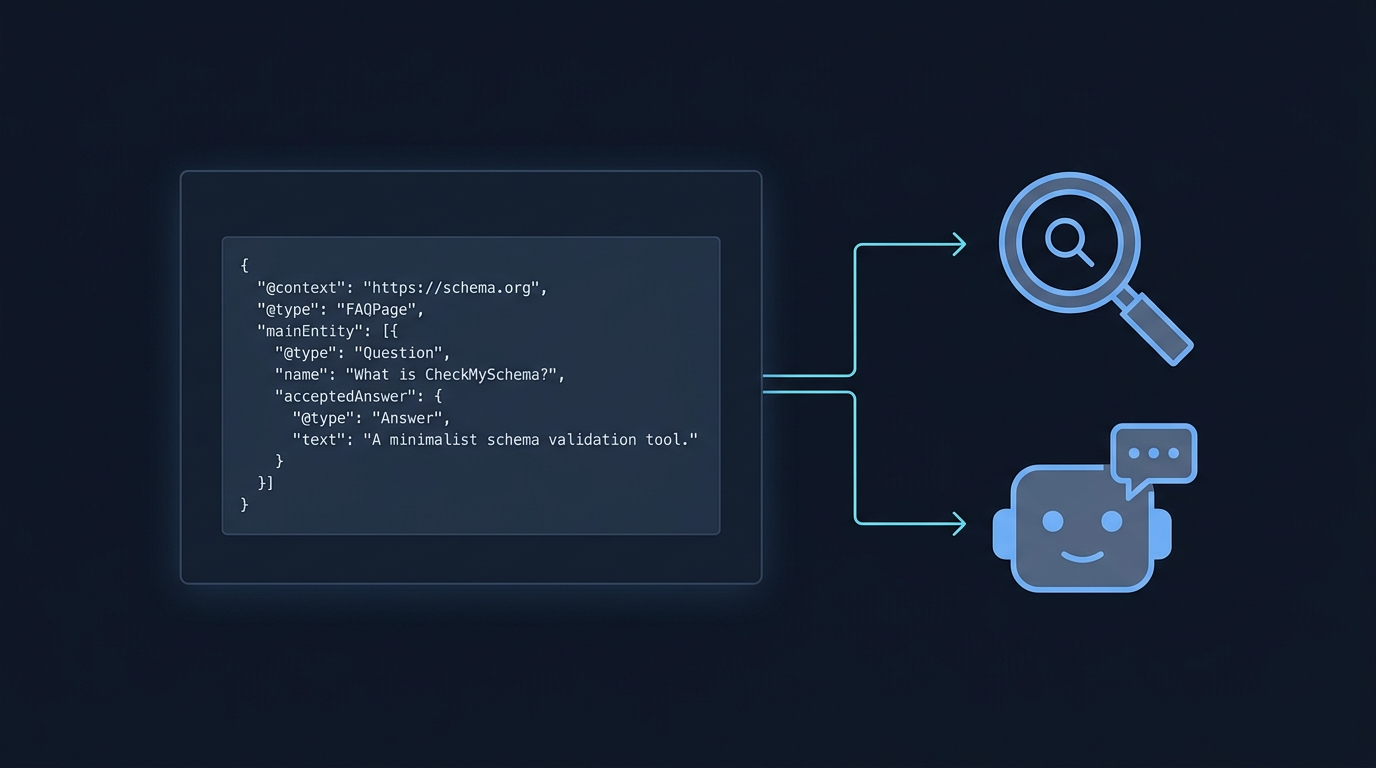
Short answer: schema markup can help AI-powered search systems understand and extract information from your pages, but it does not guarantee citations or inclusion in AI answers. Reports and practitioner tests are mixed, so treat schema as an aid to clarity and extractability rather than a switch for AI visibility (https://www.evertune.ai/resources/insights-on-ai/schema-vs-no-schema-does-structured-data-matter-for-ai-search; https://www.thehoth.com/blog/schema-markup-for-ai/).
How AI systems may use schema today
Schema adds machine-readable structure that can support two things AI systems need: recognizing entities and extracting clean answers. Industry guidance highlights using connected or semantic markup to make relationships explicit, and Bing’s guidance has encouraged writing great content and annotating with schema to help AI search engines interpret pages (https://www.schemaapp.com/schema-markup/the-future-of-search-ai-machine-learning-schema-markup/). Practitioners also emphasize that well-structured FAQ or step-by-step content is easier for models to lift into an answer block (https://www.thehoth.com/blog/schema-markup-for-ai/).
What current reports and tests suggest
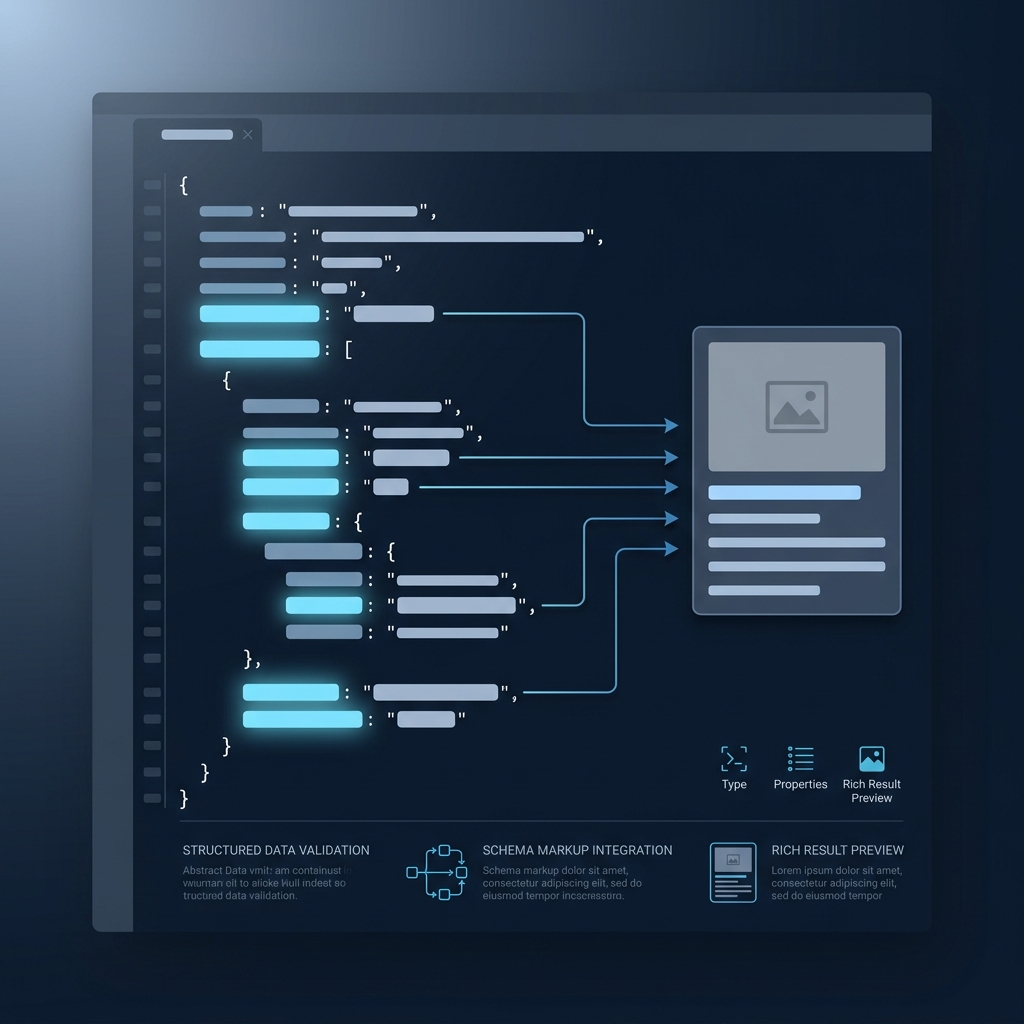
Evidence is not uniform. Reporting in 2025-2026 notes cases where pages with robust schema were more likely to appear in AI Overviews, alongside counterpoints that large language models may not directly use markup during tokenization. The overall takeaway: schema may correlate with visibility on some platforms and queries, but it should not be treated as definitive causal leverage for AI citations (https://www.evertune.ai/resources/insights-on-ai/schema-vs-no-schema-does-structured-data-matter-for-ai-search).
Where schema still clearly helps
Regardless of AI citations, structured data continues to improve machine readability, reinforce who authored or published content, and shape clean, extractable content blocks. Practitioners still recommend it as a durable foundation that can support traditional rich results and make your information easier for retrieval systems to parse (https://www.thehoth.com/blog/schema-markup-for-ai/; https://www.schemaapp.com/schema-markup/the-future-of-search-ai-machine-learning-schema-markup/). For how this fits into broader SEO and implementation fundamentals, see CheckMySchema’s practical guides on why schema matters and how to validate schema markup.
Practical steps that increase your odds
1) Establish a strong entity
Add Organization (or Person for individuals) and populate sameAs with verified profiles (for example, LinkedIn, Wikipedia if applicable, authoritative directory listings). This helps disambiguate your brand or expert from similarly named entities and supports confident attribution in results (https://www.thehoth.com/blog/schema-markup-for-ai/).
2) Make answers easy to extract
Where your page genuinely contains Q&A or procedural content, mark it up with FAQPage or HowTo. These formats package clear question-answer pairs or ordered steps that are simpler for AI systems to lift and cite than long unstructured prose (https://www.thehoth.com/blog/schema-markup-for-ai/).
3) Keep markup honest, connected and validated
Align markup with visible content, link related entities where appropriate, and validate your implementation before and after deployment. Track whether pages gain rich results or citations over time as part of an iterative program (https://www.evertune.ai/resources/insights-on-ai/schema-vs-no-schema-does-structured-data-matter-for-ai-search). For step-by-step checks, see our guide to schema markup validation.
Quick checklist to make schema useful to AI and search
Limits and expectations
There is no guaranteed schema type or property that forces AI citations across platforms. Models and answer experiences differ, and some may not directly use markup at certain stages of processing. Schema is best viewed as a clarity layer that supports entity recognition and extraction, not a substitute for authoritative content, links, or overall technical health (https://www.evertune.ai/resources/insights-on-ai/schema-vs-no-schema-does-structured-data-matter-for-ai-search; https://www.thehoth.com/blog/schema-markup-for-ai/). Invest in robust, accurate schema as part of a broader program focused on content quality, canonicalization and crawlability. Keep testing and measuring.

FAQ
Will adding schema make AI cite my site?
No. It can improve machine readability and extractability, but reports and practitioner experience do not support a guarantee of citations (https://www.evertune.ai/resources/insights-on-ai/schema-vs-no-schema-does-structured-data-matter-for-ai-search; https://www.thehoth.com/blog/schema-markup-for-ai/).
Which schema types should I prioritize?
Start with Organization or Person (with sameAs), then add FAQPage and HowTo where the content genuinely fits. Use Article or BlogPosting to keep attribution clear for editorial content (https://www.thehoth.com/blog/schema-markup-for-ai/).
Is connected or semantic markup worth it?
Guidance from Bing’s side has encouraged semantic markup to convey page meaning for AI search experiences, and industry sources advocate building connected graphs. It is a sensible investment alongside strong content (https://www.schemaapp.com/schema-markup/the-future-of-search-ai-machine-learning-schema-markup/).
Related guides
Related guide from My AI Search Report
For the wider content structure beyond markup, continue with How to structure content for AI search?.